

Sales On NOW... Don't Miss Out on Our Best Deals on Weight-loss!
🖤 Buying through our links helps support our app at no extra cost to you 🖤

Exploring Volume Eating for Weight Loss: What You Need to Know About Its Benefits and Risks
What Is Volume Eating and How Does It Differ from Traditional Diets?
If you want to lose weight but dislike the idea of cutting out entire types of foods, volume eating might be an attractive option to explore. Unlike restrictive diets that often suggest eliminating certain food groups to reduce calories, volume eating encourages you to consume larger portions of food that are low in calorie density. This way, you can feel more satisfied while still working toward your health goals.
Volume eating involves focusing on foods rich in water and fiber but low in calories, which can help you feel full without overeating. Registered dietitians often recommend this approach because it lets you enjoy a wide variety of fresh fruits, vegetables, whole grains, and lean proteins in generous amounts. For instance, swapping out a small serving of white rice for a big bowl of cauliflower rice increases the volume of your meal but keeps calories in check, allowing you to stay satiated and less hungry throughout the day.


Sales On NOW... Don't Miss Out on Our Best Deals on Weight-loss!
Grab These Deals on High-Fiber Protein Powder Before They're Gone!
🖤 Buying through our links helps support our app at no extra cost to you 🖤

The Science Behind Volume Eating and Its Potential for Weight Management
The principle behind volume eating hinges on choosing foods with low calorie density but high volume, primarily due to their fiber and water content. These foods fill your stomach more effectively, which sends signals to your brain that you are full, helping to control your overall calorie intake. This can be especially helpful if you struggle with hunger pangs while dieting.
Research shows that participants following volume eating programs often experience greater weight loss compared to those consuming higher-calorie meals in smaller portions. For example, some studies have found that women who embraced a volume eating plan lost more body weight and felt fewer cravings, likely because their meals were more filling but lower in calories. Moreover, many participants reported feeling more motivated to stick with their plan, as volume eating tends to feel less restrictive and more sustainable than traditional dieting.
That said, weight loss is influenced by many factors beyond diet alone, including genetics, hormone levels, and metabolism. It’s always a good idea to consult with a healthcare provider or a registered dietitian to tailor a safe and effective weight loss plan that suits your unique needs.
Sales On NOW... Don't Miss Out on Our Best Deals on Weight-loss!
Grab These Deals on Plant-Based Protein Powder Before They're Gone!
🖤 Buying through our links helps support our app at no extra cost to you 🖤
Follow Us
Help our community grow by following us on social media
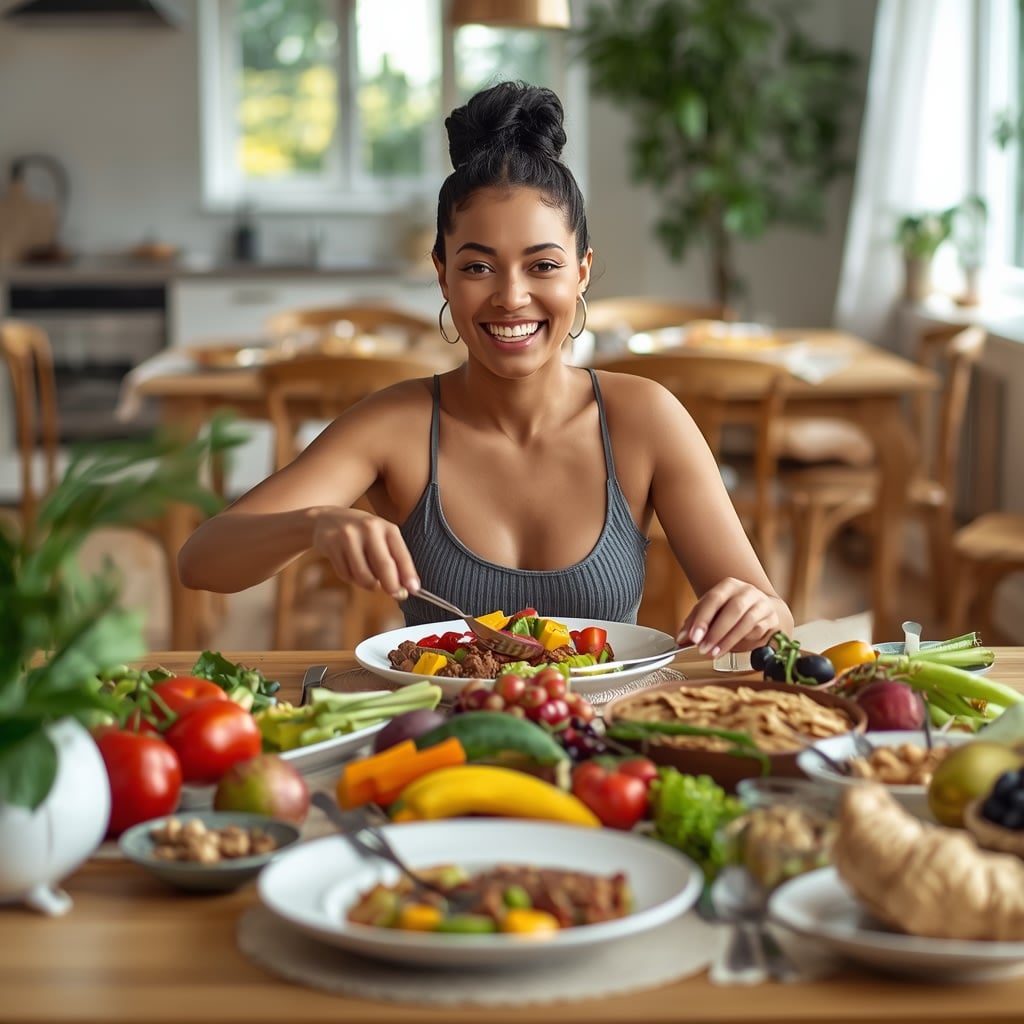
Benefits of Volume Eating: Why You Might Feel Fuller and Nourished
One of the biggest advantages of volume eating is its potential to increase your intake of essential nutrients. Because this diet encourages loading up on a variety of colorful fruits and vegetables, you naturally consume more vitamins, minerals, antioxidants, and fiber—key elements that support overall health and wellbeing.
Eating a wide spectrum of colorful produce—often called 'eating the rainbow'—ensures you're getting a rich array of nutrients crucial for everything from immune support to skin health. Additionally, foods rich in fiber and water content take longer to digest, meaning you stay full for longer periods, which can prevent overeating later in the day.
Another important point is including adequate amounts of protein and healthy fats along with your fruits and veggies. Protein supports muscle health and helps keep you feeling satisfied, while healthy fats play roles in brain function and hormone balance. Low-calorie protein sources like fish, legumes, and plant-based options such as tofu and quinoa can be great additions to your volume eating plan.
When you combine the high volume of filling foods with moderate calorie intake, volume eating can assist with maintaining a calorie deficit, a foundational factor in weight loss. Larger servings of natural, nutrient-rich foods can help you feel satisfied while eating fewer calories overall, providing a practical and more enjoyable route toward your weight and health goals.
Sales On NOW... Don't Miss Out on Our Best Deals on Weight-loss!
Grab These Deals on Meal Prep Containers Set Before They're Gone!
🖤 Buying through our links helps support our app at no extra cost to you 🖤
Stay Updated with Women's Spot Insights
Get the latest women's health tips, wellness advice, and expert insights delivered directly to your inbox.
We respect your privacy. Unsubscribe at any time.
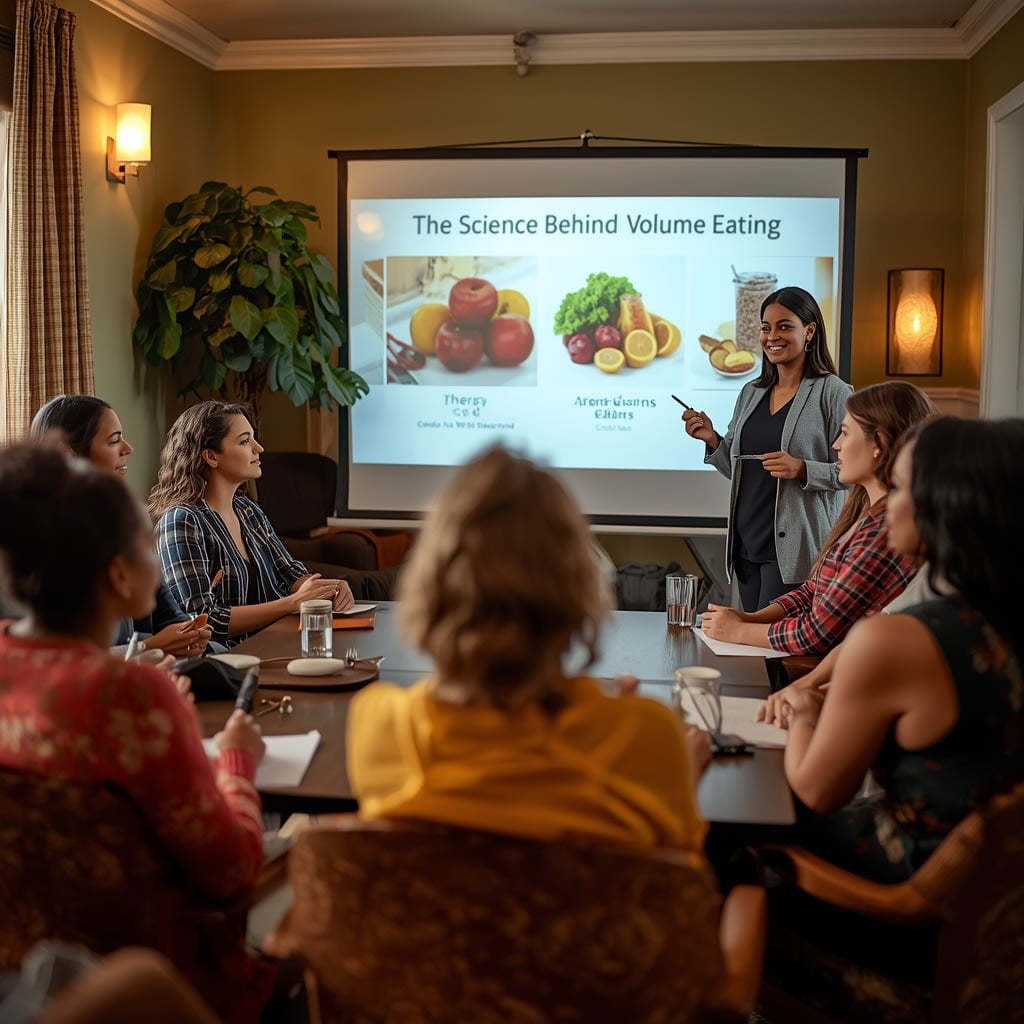
Possible Drawbacks and Challenges of Volume Eating and How to Avoid Them Safely
While volume eating sounds appealing, there are some considerations to keep in mind to make sure it’s safe and effective for you. One potential pitfall is focusing too much on quantity rather than quality. Not all low-calorie foods are created equal; for example, a low-calorie processed snack might technically fit into volume eating but lack the nutrients your body needs. Always prioritize whole, nutrient-dense foods over heavily processed options.
Another common issue people face when increasing their intake of fiber-rich foods, especially fruits and vegetables, is digestive discomfort. Adding a lot of fiber all at once can lead to bloating, gas, or even constipation. To prevent this, slowly introduce high-fiber foods into your meals and drink plenty of water to help your digestive system adjust smoothly.
It’s also important to be mindful of portion control even with low-calorie foods. Sometimes, eating too large portions can lead to accidentally consuming more calories than intended, which might hinder weight loss progress. Maintaining awareness of how much you eat, along with the quality of your food, is crucial for success with volume eating.
Additionally, if you have a history of eating disorders or specific medical conditions like gastrointestinal issues or food allergies, volume eating might not be the best approach without medical supervision. In such cases, consulting a healthcare professional before starting any new diet is essential.
Lastly, volume eating should never become an excuse for extreme calorie restriction or obsessive counting. Focusing on nourishing your body with a balanced mix of fruits, vegetables, lean proteins, whole grains, and healthy fats will support not only weight loss but also long-term health and well-being.
Sales On NOW... Don't Miss Out on Our Best Deals on Weight-loss!
Grab These Deals on Calorie Counting Food Scale Before They're Gone!
🖤 Buying through our links helps support our app at no extra cost to you 🖤
Comments
No comments yet. Be the first to share your thoughts!
Selected articles just for you
Discover more articles in this category that might interest you
Sales On NOW... Don't Miss Out on Our Best Deals!
🖤 Buying through our links helps support our app at no extra cost to you 🖤