

Offerte ADESSO... Non Perdere le Nostre Migliori Offerte su Nutrizione!
🖤 Acquistare tramite i nostri link aiuta a supportare la nostra app senza costi aggiuntivi per te 🖤

Understanding Plant-Based Eating: Its Meaning, Differences from Veganism, and How to Incorporate It Successfully
What Is a Plant-Based Diet and How Does It Differ from Veganism?
Let’s start by taking a fresh look at what a plant-based diet really means and how it differs from being vegan, while also exploring some easy ways to embrace this lifestyle. Simply put, a plant-based diet focuses primarily on foods derived from plants, such as minimally processed vegetables, fruits, whole grains, legumes, nuts, and seeds. However, the exact foods you include can vary widely depending on the specific eating pattern you follow.
For instance, if you’re following the Mediterranean diet, which prioritizes legumes, nuts, healthy fats, fruits, and vegetables, it naturally aligns well with plant-based eating. On the other hand, diets like the ketogenic one often limit certain plant foods like whole grains, starchy vegetables, or fruits because of their carbohydrate content, making it a bit trickier to maintain a fully plant-based approach within those restrictions.
Now, what about veganism? While a vegan diet is a type of plant-based eating that strictly excludes all animal products, not all plant-based diets require you to cut out animal foods completely. You might see recipes or treats, like egg-free brownies, that appear vegan but contain many processed ingredients, which may not align with a truly plant-based approach focused on whole, minimally processed foods.
One expert shares, 'I consider myself plant-based because the majority of what I eat comes from plants. Still, I enjoy yogurt, cheese, eggs, or fish occasionally, and that’s perfectly okay!' Another nutrition educator explains that embracing a plant-based diet encourages focusing on more plants without necessarily banning or limiting other foods. It’s more about adding wholesome plant foods than restricting yourself.

Offerte ADESSO... Non Perdere le Nostre Migliori Offerte su Nutrizione!
Approfitta di Queste Offerte su Plant-Based Protein Powder Prima che Finiscano!
🖤 Acquistare tramite i nostri link aiuta a supportare la nostra app senza costi aggiuntivi per te 🖤

Foods to Enjoy on a Plant-Based Diet and How to Build Balanced Meals
A plant-based diet includes plenty of plant proteins like legumes and soy products such as edamame, tofu, okara, kinako, natto, and tempeh. Nuts, seeds, and nut butters are also fantastic sources of healthy fats and proteins. Whole grains can contribute useful protein amounts to your meals, giving you plenty of choices to mix and match.
A registered nutrition coach highlights that with thoughtful meal planning, you can obtain all your necessary nutrients from a plant-based diet. It’s about combining a variety of plant foods to meet your body’s needs effectively.
Wondering which foods pack the most protein? Here are some great examples with their approximate protein content: tofu offers about 8 grams per 3-ounce serving; tempeh packs 33 grams in a cup; edamame contains 18 grams per cup; pea protein powder can provide 15 grams per scoop, perfect for smoothies or post-workout shakes; cooked lentils provide 18 grams per cup; chickpeas have 15 grams in a cup; peanuts offer 7 grams per ounce; whole almonds have 30 grams per cup along with healthy fats; spirulina contributes 1 gram per teaspoon; cooked quinoa contains 8 grams per cup; chia seeds supply about 5 grams per 2.5 to 3 tablespoons; seitan provides 16 grams per 3 ounces though it’s more processed and not gluten-free; and sprouted grain bread gives 5 grams per slice.
Starting with a primary protein source, you can then add a diverse range of vegetables and fruits to your plate for a well-rounded meal. Dark leafy greens provide essential iron and calcium, while mushrooms are a reliable source of vitamin D.
Offerte ADESSO... Non Perdere le Nostre Migliori Offerte su Nutrizione!
Approfitta di Queste Offerte su Nutritional Yeast Flakes Prima che Finiscano!
🖤 Acquistare tramite i nostri link aiuta a supportare la nostra app senza costi aggiuntivi per te 🖤
Seguici
Aiuta la nostra comunità a crescere seguendoci sui social media
Foods to Limit or Avoid and How to Choose Wisely Within a Plant-Based Lifestyle
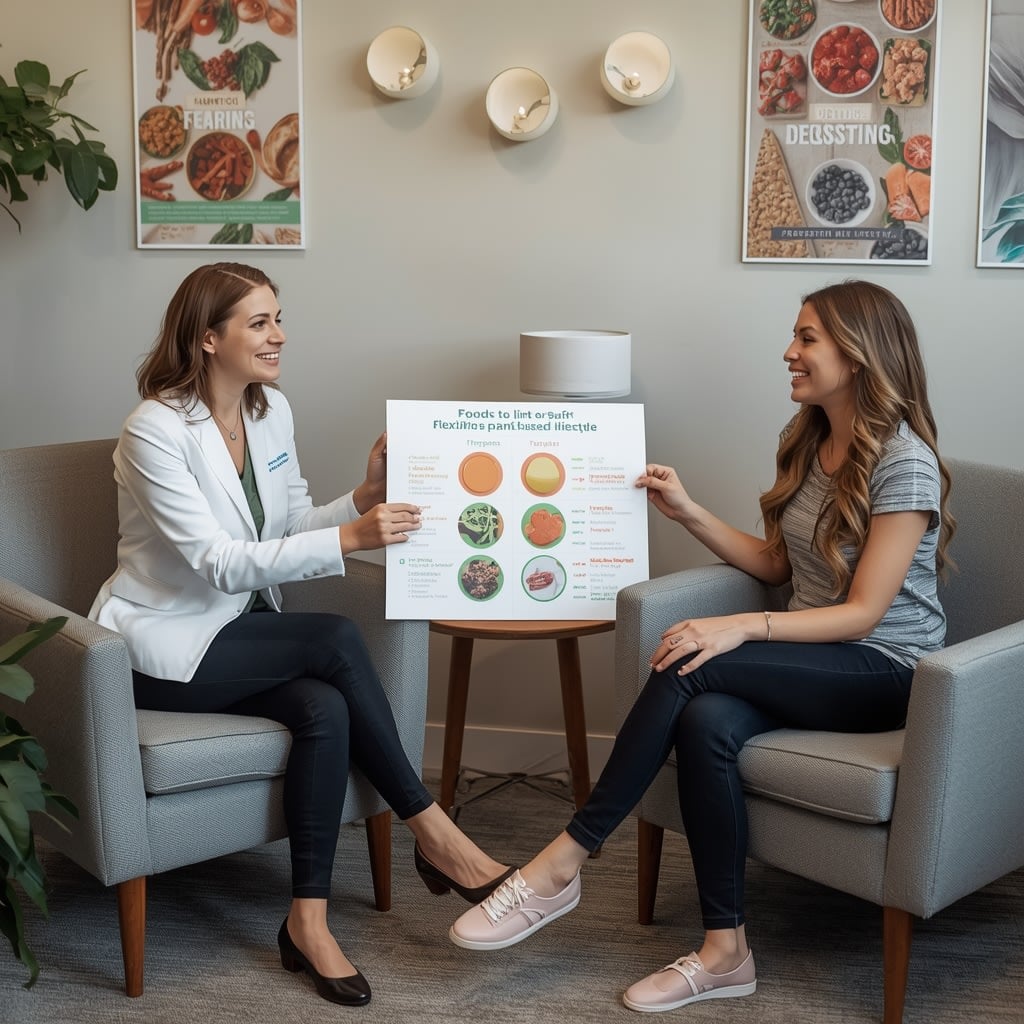
If you follow a vegan diet, animal-derived items like meat, fish, dairy, and eggs are out, and you’d also want to skip common additives like whey, casein, and gelatin often found in processed foods. But if you’re adopting a more flexible plant-based approach, no specific foods are strictly forbidden. The amount of animal products you include is entirely up to you.
An experienced dietitian reminds us to make smart choices by minimizing highly processed animal products such as processed meats, cheeses, and hot dogs, which can undermine the overall health benefits of a plant-focused diet.
One key principle of the plant-based approach is emphasizing whole foods in their natural form. This means cutting back on highly processed items—even if they’re vegan—like commercial plant-based burgers, ice creams, or cookies. Instead, focus on ingredients like chickpeas and lentils for protein, saving more processed vegan treats for occasional indulgence.
The benefit? By concentrating on whole, plant-derived foods, you naturally increase your intake of vitamins, minerals, antioxidants, and fiber. These components support your immune system, reduce inflammation, and nourish the healthy bacteria in your gut. Regularly choosing plant proteins instead of animal ones also helps manage the risk of chronic diseases such as diabetes and heart conditions.
Offerte ADESSO... Non Perdere le Nostre Migliori Offerte su Nutrizione!
Approfitta di Queste Offerte su Vegan Omega-3 Supplements Prima che Finiscano!
🖤 Acquistare tramite i nostri link aiuta a supportare la nostra app senza costi aggiuntivi per te 🖤
Rimani Aggiornato con Insights sulla Salute
Ricevi gli ultimi consigli sulla salute delle donne, consigli sul benessere e approfondimenti di esperti direttamente nella tua casella di posta.
Rispettiamo la tua privacy. Disiscriviti in qualsiasi momento.

Benefits, Common Concerns, and How to Get Started with a Plant-Based Way of Eating
Adopting a plant-based lifestyle offers numerous health perks, thanks to its emphasis on whole plant foods packed with essential nutrients. For example, fiber-rich foods and antioxidants in plants help keep your body’s defense mechanisms strong while supporting a healthy gut microbiome. Moreover, choosing plant proteins regularly over animal sources can contribute to lowering risks for illnesses like heart disease, diabetes, and some cancers.
Research highlighted by Women's Spot suggests that a widespread shift to plant-based eating may reduce global mortality rates by up to 10 percent and significantly cut food-related greenhouse gas emissions. Medical professionals even recommend this way of eating to patients managing high blood pressure, diabetes, cardiovascular issues, or obesity. Additionally, plant-based diets have shown promising results for weight loss and improved insulin sensitivity in overweight individuals when compared to other diets.
A common worry is whether plant-based diets provide enough key nutrients such as protein, iron, and omega-3 fatty acids. However, combining a variety of plant foods can supply all essential amino acids and nutrients. For example, including nutritional yeast in pasta, blending white beans or chickpeas into smoothies, or snacking on nuts and nut butters can boost your protein intake. Getting iron from plant sources can be aided by pairing non-heme iron with vitamin C-rich foods to improve absorption.
If omega-3 levels are a concern, although fatty fish are an excellent source, you can still include some fish occasionally within your plant-based plan or rely on sources like walnuts, flaxseed, chia seeds, and certain algae, which also provide these important fatty acids. When daily intake from foods is tough, supplements can help cover any gaps.
Ready to give it a try? Changing your eating habits can feel intimidating, so it’s best to start small and be kind to yourself. Try incorporating plant-powered meals a couple of times a week, swapping mayonnaise for hummus or using flaxseed as an egg replacer. Recognize that the plant-based lifestyle doesn’t mean cutting out animal foods completely unless you choose to—it’s more about adding more plants than restricting yourself.
Popular tactics include joining initiatives like Meatless Monday, replacing regular milk with alternatives like oat or almond milk (just watch added sugars), or refreshing your breakfast with nutrient-packed oatmeal topped with fruit and nuts instead of bacon and eggs. If you love meat dishes, try mixing plant-based ingredients like mushrooms into your ground meat recipes.
For those finding it tough to go fully plant-based for every meal, focusing on one plant-based meal daily or making most of your plate plant-forward with small amounts of fish or dairy can still offer great benefits. Ultimately, it’s about enjoying what you eat and finding flexible ways to nourish your body sustainably and joyfully.
Offerte ADESSO... Non Perdere le Nostre Migliori Offerte su Nutrizione!
Approfitta di Queste Offerte su Chia Seed Package Prima che Finiscano!
🖤 Acquistare tramite i nostri link aiuta a supportare la nostra app senza costi aggiuntivi per te 🖤
Commenti
Nessun commento ancora. Sii il primo a condividere i tuoi pensieri!
Articoli selezionati solo per te
Scopri altri articoli in questa categoria che potrebbero interessarti

Offerte ADESSO... Non Perdere le Nostre Migliori Offerte!
🖤 Acquistare tramite i nostri link aiuta a supportare la nostra app senza costi aggiuntivi per te 🖤