

Offerte ADESSO... Non Perdere le Nostre Migliori Offerte su Vita!
🖤 Acquistare tramite i nostri link aiuta a supportare la nostra app senza costi aggiuntivi per te 🖤
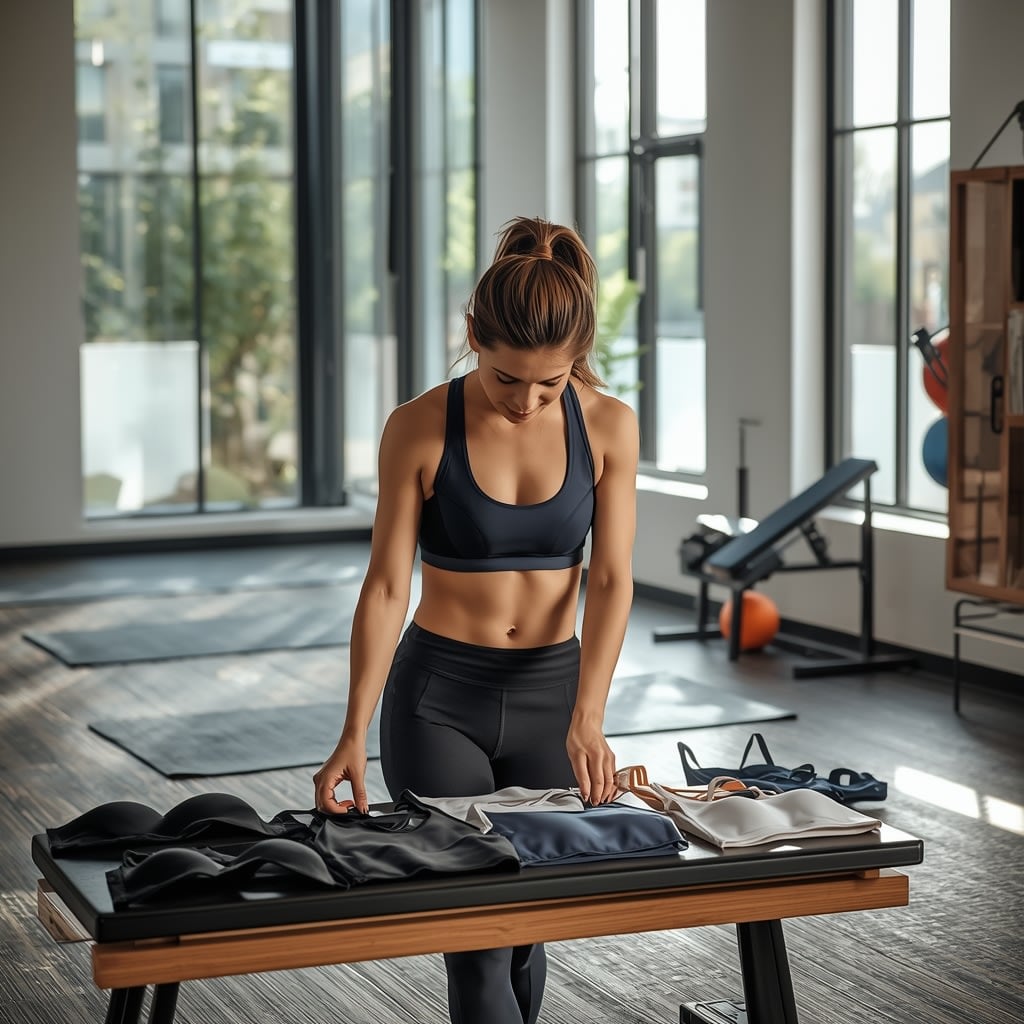
How to Accurately Determine Your Bra Size at Home: Expert Tips for the Perfect Fit
Why Finding the Right Bra Size Can Feel Like a Challenge
Shopping for everyday staples like jeans or a fun dress can feel like an exciting treat. However, choosing a new bra often feels like a frustrating chore that many of us dread. If you find yourself avoiding bra shopping, you are not alone—and it’s certainly not your fault. Industry experts explain that the lingerie world has made finding a well-fitting bra complicated because bras are technically challenging garments to select.
Every person’s breasts are unique, even the two on the same person. Differences in shape, size, and volume vary widely and can change frequently due to factors such as pregnancy, weight shifts, lifestyle changes, or health conditions. These changes can be so significant that what fit last month might not fit now. This unpredictability adds to the complexity of bra shopping, making it something many want to avoid.


Offerte ADESSO... Non Perdere le Nostre Migliori Offerte su Vita!
Approfitta di Queste Offerte su Measuring Tape for Bra Sizing Prima che Finiscano!
🖤 Acquistare tramite i nostri link aiuta a supportare la nostra app senza costi aggiuntivi per te 🖤
Common Obstacles in Bra Shopping According to Bra Fit Specialists
A top issue many women face when shopping for bras is the limited size range available in many stores. Most outlets typically stock around 40 'standard sizes,' usually combining band sizes 32-38 with cup sizes B-D. However, the reality is that there are nearly 200 different sizes on the market today that go up to an N cup. This lack of variety in-store means many shoppers struggle to find their true size easily.
Even when working with a certified bra fitter who helps identify your correct size, the process doesn’t end there. Different manufacturers cut bras in varying ways, so a size 34D in one brand may feel very different compared to another. Factors such as fabric choice, wiring style, and the bra's overall design can change the fit and feel a lot. Because of this variability, only a small portion of women leave stores wearing their truly best-fitting bra.
Wearing the wrong size bra doesn’t just impact how your clothes fit; it can lead to physical discomfort, especially for women with larger busts. Issues like headaches, back pain, and poor posture are often tied to improperly fitting bras. Tight bands can restrict rib cage and chest movement, reduce breathing capacity, and potentially deprive the brain of oxygen, leading to headaches. This can trigger the use of accessory muscles in the upper chest and neck, risking muscular imbalances and chronic neck or back pain.
Offerte ADESSO... Non Perdere le Nostre Migliori Offerte su Vita!
Approfitta di Queste Offerte su Adjustable Strapless Bras Prima che Finiscano!
🖤 Acquistare tramite i nostri link aiuta a supportare la nostra app senza costi aggiuntivi per te 🖤
How to Tell If Your Bra Isn’t Fitting Right: Key Signs to Watch For
Recognizing when your bra doesn’t fit correctly is critical for your comfort and confidence. Common signs include being able to pull your band more than an inch away from your body, the center front of the bra not lying flat but hovering above your chest, straps that constantly slip off your shoulders, and the back band riding up throughout the day. These symptoms suggest your bra isn’t providing the support it should.
Additional indicators of poor fit involve the underwire poking into your breast tissue or sides, spilling or overflowing breast tissue over the cup's edge, or gaps where your breasts don’t fill the cups properly. For example, spilling usually points to cups that are too small, while gaping indicates cups that are too large.
While visiting a professional bra fitter remains the best way to find your precise size and shape, many people can't easily access this service. That’s why knowing how to measure your bra size accurately at home is an essential skill. Doing so can help you navigate shopping with more confidence and improve your chances of choosing a comfortable and supportive bra.
Offerte ADESSO... Non Perdere le Nostre Migliori Offerte su Vita!
Approfitta di Queste Offerte su Backless Adhesive Bras Prima che Finiscano!
🖤 Acquistare tramite i nostri link aiuta a supportare la nostra app senza costi aggiuntivi per te 🖤

Step-by-Step Guide to Measuring Your Bra Size at Home
Step 1: Find Your Band Size. Grab a soft measuring tape and wrap it snugly around your ribcage right under your breasts where they meet your torso. Make sure the tape is level all around and fits comfortably against your skin without squeezing too tightly. Record this measurement in inches. If the number falls between sizes (which are usually even numbers), always round up. For instance, if you measure 33 inches, round up to 34; and if it’s 32.5 inches, round up to 34 as well.
Step 2: Measure Your Bust. Wearing a well-fitting, unpadded bra, wrap the measuring tape around the fullest part of your bust—usually at nipple level. This time, the tape should glide over your breasts without being tight. Note this measurement to the nearest whole number. For example, 38.5 inches would round to 39.
Step 3: Calculate Your Cup Size. Subtract your band measurement from your bust measurement to find the difference. Each inch difference corresponds to a specific cup size: 1 inch equals A, 2 inches B, 3 inches C, 4 inches D, and so on. For example, if your band size is 34 and your bust measures 38, a 4-inch difference means your cup size is a D, making your total bra size 34D.
If you don't have a soft measuring tape handy, try wrapping a flexible string, ribbon, or rope around your ribcage and bust, then mark and measure the length against a ruler or rigid tape measure to get your numbers.
Offerte ADESSO... Non Perdere le Nostre Migliori Offerte su Vita!
Approfitta di Queste Offerte su Sports Bras with Different Support Levels Prima che Finiscano!
🖤 Acquistare tramite i nostri link aiuta a supportare la nostra app senza costi aggiuntivi per te 🖤
Measuring and Choosing the Right Sports Bra for Your Activities
Once you know your everyday bra size, you might wonder how to apply that knowledge to sports bras. Though sports bras often come in generalized sizes like small, medium, and large, finding the perfect fit is just as important as with regular bras because they also serve a technical function.
Experts recommend measuring yourself and trying to find sports bras that follow the traditional band and cup sizes whenever possible. If you select a sports bra sized with just S, M, L labels, be sure to consult the brand's sizing chart to match it to your actual measurements. The level of support needed varies depending on the activity. Lower-impact exercises like yoga typically call for light support, while high-impact workouts such as running, aerobics, or team sports need bras with stronger compression and thicker, more supportive bands and straps to minimize movement and discomfort.
Just like your everyday bra collection, it’s a good idea to own multiple types of sports bras with varying support levels to suit different workouts. This variety not only helps protect your breast tissue but also ensures you stay comfortable during all kinds of physical activity.
Offerte ADESSO... Non Perdere le Nostre Migliori Offerte su Vita!
Approfitta di Queste Offerte su Full Coverage Bras Prima che Finiscano!
🖤 Acquistare tramite i nostri link aiuta a supportare la nostra app senza costi aggiuntivi per te 🖤
Tips for Measuring Yourself for Strapless and Backless Bra Styles
Strapless bras are essential wardrobe staples for many but often get a bad reputation for discomfort and slipping. Contrary to some common advice, you don't necessarily need to choose a band size smaller than your usual size for strapless styles. Instead, it's a matter of finding the right brand, style, and fit that works for your unique breast shape and body type. Look for a bra with cups that fit well—no gaps or bulges—with the center of the bra sitting flat on your chest and wires aligned under your arms.
Backless bras are even more complicated due to their design. These bras act more like bustiers that support your breasts without the backing band most bras rely on for stability. Since the back band provides the majority of support in a traditional bra, going without it requires specific types of bras to maintain lift and shape. If possible, work with a fitter who specializes in backless bras before shopping or choosing a dress that requires one. Adhesive bras and bra tapes are popular alternatives, some designed to support even larger cup sizes effectively.
Offerte ADESSO... Non Perdere le Nostre Migliori Offerte su Vita!
Approfitta di Queste Offerte su Plunge Bras Prima che Finiscano!
🖤 Acquistare tramite i nostri link aiuta a supportare la nostra app senza costi aggiuntivi per te 🖤
Seguici
Aiuta la nostra comunità a crescere seguendoci sui social media
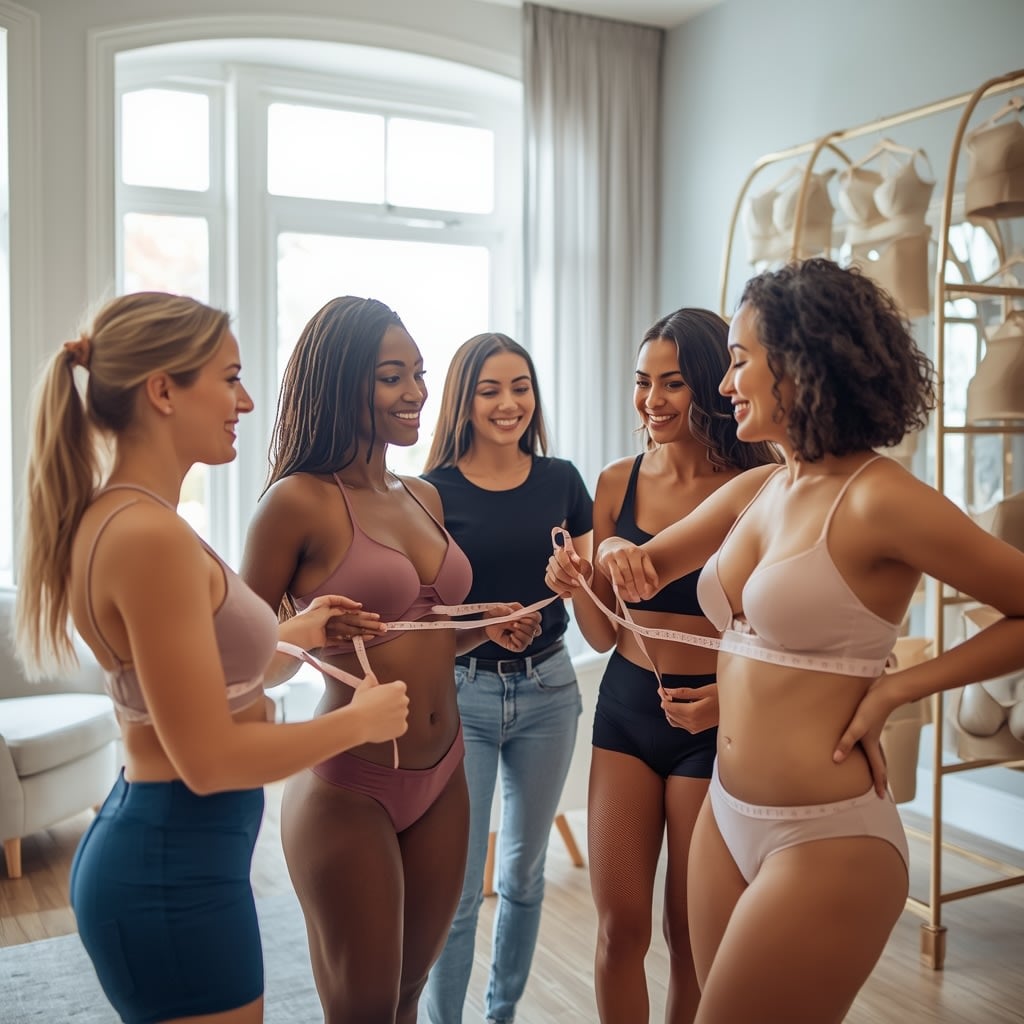
How to Confirm Your Bra Size is Right Through Simple Fitting Tests
One practical way to ensure your bra fits correctly is by mastering the 'swoop and scoop' technique: after putting the bra on, lean slightly forward and use your hands to gather all breast tissue from under your arms and around your chest into the cups. This ensures that your breasts fill the cups properly and are well supported.
Check that the band sits evenly around your torso and doesn’t ride up your back throughout the day. A band that shifts upward usually means it is too loose and failing to support the breasts properly. Remember, most of the support should come from the band, not the straps, which are meant to hold the bra in place.
Always fasten your bra on the loosest hook when it's new. As the bra stretches and ages, you can tighten it by moving to the middle or tightest hooks, which extends the life of your bra while maintaining a snug fit.
Observe whether the underwires align with the sides of your chest beneath your armpits. Poor wire placement can cause discomfort or poking, which often means the cups are either too small or the style doesn’t suit your shape.
Keep an eye out for any spillage over the cups or gaps between your breast and the cup. Overflow suggests cups that are too small, whereas gaps indicate cups that are too big.
Straps that frequently slip can usually be fixed by adjusting their length; however, if they persistently fall off, it might be due to your shoulder shape or specific bra style, such as demi bras with straps set wide apart. In some cases, trying a racerback design or different band size can help prevent slippage.
Lastly, the center piece of the bra—the bridge between the cups—should sit flat against your sternum. If it floats away from your chest, this may be a sign that the cups are too small or that a different bra style could better accommodate your body shape.
Offerte ADESSO... Non Perdere le Nostre Migliori Offerte su Vita!
Approfitta di Queste Offerte su Wireless Bralettes Prima che Finiscano!
🖤 Acquistare tramite i nostri link aiuta a supportare la nostra app senza costi aggiuntivi per te 🖤
Matching Bra Styles to Your Breast Shape for Optimal Comfort and Support
Understanding your breast shape can dramatically improve your bra shopping experience and comfort. Breast shapes vary widely, and they can change throughout your life due to factors like aging, pregnancy, or weight fluctuations. Here are some common breast shapes and the bra styles that usually work best for each:
Round Breasts: Characterized by fullness all around, this shape generally works well with most bra styles. Plunge bras are especially flattering by enhancing cleavage, while stretchy, wireless bras offer relaxing comfort for everyday wear.
Asymmetric Breasts: When one breast is noticeably different in size or shape from the other, it’s best to pick your cup size based on the larger breast. Plunge bras with removable inserts are great because you can customize the fit and symmetry on each side.
Bell-Shaped Breasts: These tend to be narrower at the top and fuller at the bottom and often found in women with larger busts. Full-coverage bras with wider straps provide the necessary support and help create a smooth silhouette. It’s crucial to focus on the right band size because most of the support comes from the band, not the cups.
Wide-Set Breasts: Sometimes called East-West breasts due to their outward orientation, these breasts sit farther apart and have nipples that point outward. Bras with side support or light padding on the outer edges can gently push the breasts toward the center, enhancing cleavage and providing better shape.
Athletic or Shallow Breasts: These typically have less breast tissue and muscle that can create gaping issues in some bra styles. Lightly lined or padded bras can offer more lift and create a fuller appearance if preferred. Demi bras with or without underwires or wireless bralettes tend to work well with this shape.
Offerte ADESSO... Non Perdere le Nostre Migliori Offerte su Vita!
Approfitta di Queste Offerte su Soft Wireless Bras Prima che Finiscano!
🖤 Acquistare tramite i nostri link aiuta a supportare la nostra app senza costi aggiuntivi per te 🖤
Rimani Aggiornato con Insights sulla Salute
Ricevi gli ultimi consigli sulla salute delle donne, consigli sul benessere e approfondimenti di esperti direttamente nella tua casella di posta.
Rispettiamo la tua privacy. Disiscriviti in qualsiasi momento.
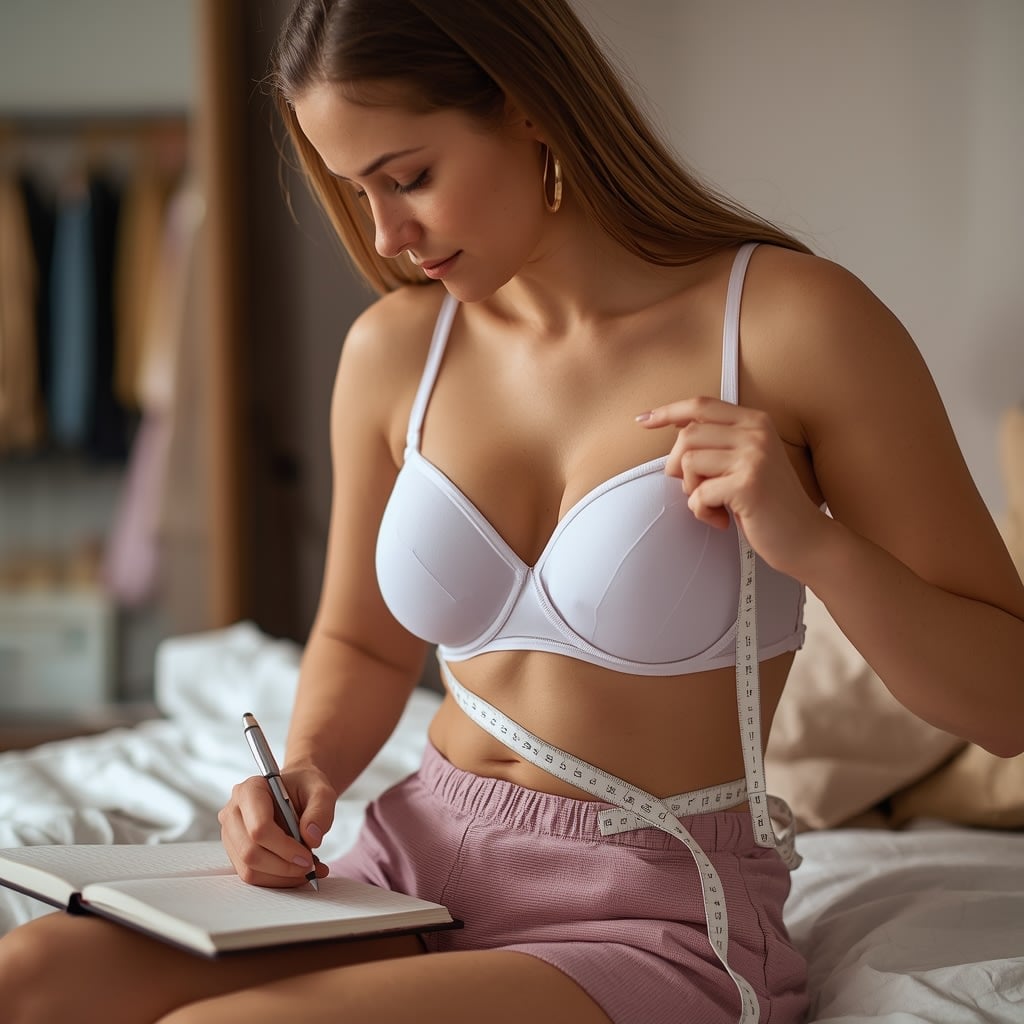
Frequently Asked Questions About Bra Fit and Maintenance
What should you do if you notice gaping in your cups or spilling over the sides? Gaping often means your cups are too big or the bra hasn’t been adjusted correctly. Spilling usually signifies cups that are too small. The swoop and scoop technique can help ensure all breast tissue is properly positioned in the bra to reduce these issues.
If your bra straps keep falling off, check first to see if they’re adjusted properly. Sometimes, body shape plays a role; for example, round shoulders can cause straps to slip more easily. In such cases, styles like racerback bras that have straps positioned differently might be better. Also, certain bras like demi styles have wider-set straps, which tend to slide off more. Finally, if your bra is old, stretched out straps could be the culprit, signaling it’s time for a replacement.
To know if your band fits right, make sure it’s snug and sits level all around your body. When the band is too loose, it rides up in the back, which shifts breast weight to the shoulders and can cause discomfort. The band should provide most of your bra's support and feel comfortably tight when hooked on the loosest clasp. As it stretches with wear, you can move to tighter clasps to maintain support.
What is a 'sister size' in bras? Sister sizing means going up or down in band size while adjusting cup size inversely to maintain the same cup volume. For instance, if a 34D band feels too tight, you might try a 36C, which offers a larger band and smaller cup circumference but retains the same cup volume. This approach helps you find the most comfortable and supportive fit, considering your body’s shape and preferences.
How often should you measure your bra size? Regular fittings are important since breast size and shape fluctuate over time. Young girls getting their first bras may need fittings every six months during growth spurts. For adults, a yearly check-in is recommended. Changes in weight, fitness, pregnancy, aging, and health status all influence breast size, so updating your bra size ensures comfort and proper support throughout life.
Offerte ADESSO... Non Perdere le Nostre Migliori Offerte su Vita!
🖤 Acquistare tramite i nostri link aiuta a supportare la nostra app senza costi aggiuntivi per te 🖤
Why Investing Time in Your Bra Fit Is Worth It
Wearing a properly fitting bra is about far more than just looking good; it’s about feeling comfortable, confident, and supported every day. A well-chosen bra can enhance your posture, reduce pain, and improve the way your clothes drape on your body.
While the process of finding the perfect bra might seem overwhelming at first, learning how to measure yourself, understanding your breast shape, and recognizing signs of poor fit can empower you to make better choices in lingerie shopping. Having multiple types of bras for different occasions—everyday wear, sports, strapless or backless outfits—will ensure you’re always supported and comfortable, no matter what you’re wearing or doing.
Remember, bra fit is a personal journey. Don’t hesitate to seek professional help if you can, but also trust yourself to know what feels best for your body. Your comfort and confidence are worth every effort.
With the right tips and tools, bra shopping can turn from a dreaded task into a rewarding experience that leaves you feeling empowered and comfortable in your own skin. Women’s Spot is here to guide you every step of the way toward your best fit yet.
Offerte ADESSO... Non Perdere le Nostre Migliori Offerte su Vita!
🖤 Acquistare tramite i nostri link aiuta a supportare la nostra app senza costi aggiuntivi per te 🖤
Commenti
Nessun commento ancora. Sii il primo a condividere i tuoi pensieri!
Articoli selezionati solo per te
Scopri altri articoli in questa categoria che potrebbero interessarti
Offerte ADESSO... Non Perdere le Nostre Migliori Offerte!
🖤 Acquistare tramite i nostri link aiuta a supportare la nostra app senza costi aggiuntivi per te 🖤