

Promotions MAINTENANT... Ne Manquez Pas Nos Meilleures Offres sur Intimite!
🖤 Acheter via nos liens aide à soutenir notre app sans frais supplémentaires pour vous 🖤

Understanding Mutual Ghosting: What It Is and When It Might Be Okay
What Does Mutual Ghosting Mean in Today’s Dating World?
If you’ve ever dipped your toes into the world of dating, you know it's not always a smooth ride. Whether you’re casually browsing, hoping for a chance meeting, or dealing with well-meaning friends trying to set you up, not every romantic encounter is memorable. Sometimes, one of you is the one pulling away, while other times you’re left waiting for a message that never appears. Then, there are those situations where both people experience a lackluster date, and instead of openly talking about how things went, both decide to simply disappear—this silent retreat is what’s known as mutual ghosting.
Mutual ghosting happens when both individuals in the interaction choose not to pursue the connection further, without exchanging any explanation or closure. Morgan Anderson, PsyD, a licensed clinical psychologist and relationship coach, describes it as an unspoken agreement where both parties quietly exit the scene, acknowledging that the connection isn’t worth continuing. This differs from traditional ghosting, which is generally viewed as one person cutting off communication abruptly without explanation.


Promotions MAINTENANT... Ne Manquez Pas Nos Meilleures Offres sur Intimite!
Profitez de Ces Offres sur Relationship Communication Books Avant qu'elles Ne Disparaissent!
🖤 Acheter via nos liens aide à soutenir notre app sans frais supplémentaires pour vous 🖤
How Mutual Ghosting Differs From Traditional Ghosting
Traditional ghosting usually involves one individual completely vanishing after initial communication—like not responding after a date or abruptly stopping texts. On the flip side, mutual ghosting is a silent disengagement by both parties, where neither makes an effort to follow up, and no reasons are given to clarify why the connection isn’t moving forward.
This trend is particularly visible on platforms like TikTok, where many users have shared that mutual ghosting feels less stressful and more straightforward than having to compose a message explaining disinterest after just one date. It’s an unspoken understanding that both people didn’t feel a spark, so they drift apart without confrontation or discomfort. However, this approach has pros and cons.
Morgan Anderson points out that the abundance of dating choices today has led to communication habits that might accept lower standards, making ghosting, including the mutual kind, more common but often less honest. This has changed the etiquette and expectations around dating communication.
Promotions MAINTENANT... Ne Manquez Pas Nos Meilleures Offres sur Intimite!
Profitez de Ces Offres sur Personal Development Journals Avant qu'elles Ne Disparaissent!
🖤 Acheter via nos liens aide à soutenir notre app sans frais supplémentaires pour vous 🖤

What Happens When Both Decide to Ghost Each Other?
Imagine you go on a date and instantly notice it’s a mismatch—awkward silences might dominate, or shared interests might be hard to find. Neither of you reach out afterward, and soon, both of you stop thinking about following up. This mutual silence is mutual ghosting in practice.
The idea behind mutual ghosting leans on the notion that both parties sense the lack of chemistry and quietly agree without words to end things. Yet, this can be tricky because neither person has confirmed this feeling, leaving a gap in clarity. Rachel Wright, LMFT, a licensed therapist, notes that without clear communication, you can't be certain that the other person truly feels the same way unless you directly ask them.
Often, mutual ghosting stems from a reluctance to admit disappointment or vulnerability. Wright highlights that pride and the fear of potential emotional discomfort lead many to choose silence rather than risking difficult conversations. People tend to craft stories in their minds to cope, perhaps deciding the other person should make the first move to end communication. When no message comes, it’s easier to assume mutual ghosting has taken place and move on more peacefully, even though this might not be the whole truth.
Promotions MAINTENANT... Ne Manquez Pas Nos Meilleures Offres sur Intimite!
Profitez de Ces Offres sur Online Dating Safety Guides Avant qu'elles Ne Disparaissent!
🖤 Acheter via nos liens aide à soutenir notre app sans frais supplémentaires pour vous 🖤
Suivez-nous
Aidez notre communauté à grandir en nous suivant sur les réseaux sociaux

Is Mutual Ghosting Ever Acceptable or Beneficial?
Ghosting usually brings up feelings of guilt or shame for the one who disappears, but sharing the silence with the other person can make mutual ghosting feel less harsh and somewhat more justifiable. This shared responsibility can mask some of the negative aspects, making it seem like a gentler way to avoid unnecessary awkwardness or hurt feelings.
For some, especially those who find it challenging to articulate rejection, mutual ghosting can appear as a relief. Instead of drawing out uncomfortable conversations, silence can feel like a quick exit. Licensed clinical psychologist Morgan Anderson suggests that if expressing lack of interest feels too difficult, it might be easier to say nothing—but she also encourages gaining confidence in expressing feelings, as clear communication is a significant part of growing in relationships.
Despite these perceived benefits, therapists caution that the potential drawbacks usually outweigh the positives. Since both parties stop communicating, it’s impossible to verify if both truly agreed to end things or if one person silently reacted to the other’s silence. Tara Suwinyattichaiporn, PhD, explains that pretending mutual ghosting is harmless might leave one person mentally stuck, unable to process feelings of rejection fully. Furthermore, she points out that repeatedly choosing mutual ghosting can create a harmful habit of avoiding direct communication, potentially leading to hurting others unintentionally.
Ultimately, mutual ghosting bypasses honest and upfront conversations, which are crucial for personal growth and developing healthier dating habits. Anderson stresses that avoiding direct communication deprives you of chances to practice expressing your feelings and boundaries. Wright echoes this, emphasizing the importance of flexing your communication skills to build stronger relationships in the future. Being able to state what you want or don’t want is invaluable both in dating and in life overall.
This doesn’t mean every message has to be lengthy or harsh. A simple, honest note such as, 'I didn’t feel a connection, but I wish you all the best,' can offer closure without being hurtful. Approaching endings with kindness and clarity benefits everyone involved.
Promotions MAINTENANT... Ne Manquez Pas Nos Meilleures Offres sur Intimite!
Profitez de Ces Offres sur Emotional Wellness Workbooks Avant qu'elles Ne Disparaissent!
🖤 Acheter via nos liens aide à soutenir notre app sans frais supplémentaires pour vous 🖤
Restez Informé des Insights de Santé
Recevez les derniers conseils de santé pour femmes, conseils de bien-être et insights d'experts directement dans votre boîte de réception.
Nous respectons votre vie privée. Désabonnez-vous à tout moment.
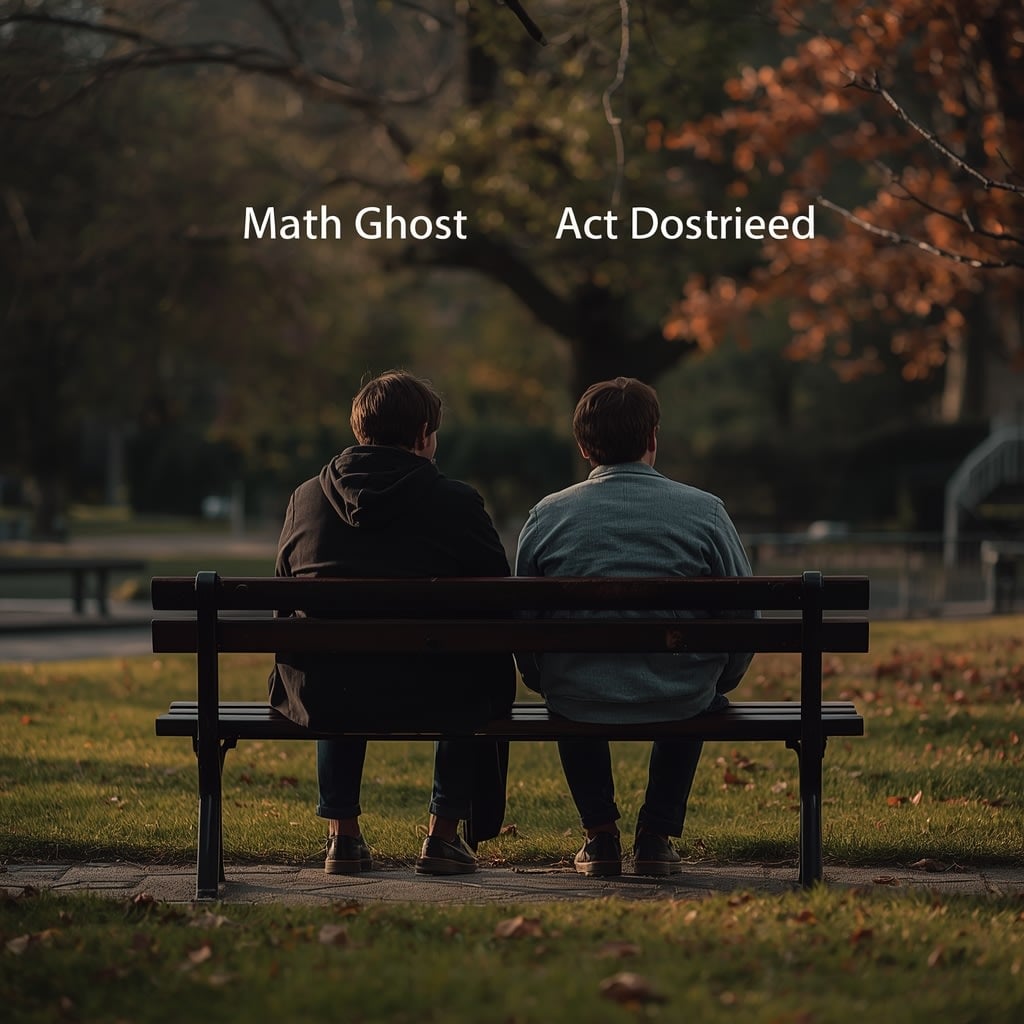
When Might Mutual Ghosting Be Considered Okay?
While communicating openly is always ideal, therapists acknowledge that the level of effort you put into ending interactions depends on the depth of your involvement. If you’ve been seeing someone for a while, more clear and thoughtful communication is essential because the emotional impact is greater, explained Wright.
However, in cases where the relationship was lightweight—purely online interactions like texting or FaceTiming that didn’t lead to anything substantial—it's more understandable to quietly part ways with no formal closure. Suwinyattichaiporn adds that if your date behaved disrespectfully or made you feel uneasy, you shouldn’t feel obligated to send a follow-up message. Your safety and comfort come first.
On the other hand, if the reason for ending things is simply a lack of chemistry, taking a moment to send a respectful, straightforward message demonstrates basic human decency. As Suwinyattichaiporn insists, even if it only takes a few seconds, a thoughtful message goes a long way. Wright agrees and stresses that although many people may feel they owe no explanations, kindness and respect should always remain part of the process.
It can be tempting to justify ghosting just because you believe the other person will do the same, but Anderson reminds us that communicating your feelings isn’t just for them—it’s a form of self-respect. It lets you be honest with yourself and clear about where you stand, paving the way for healthier emotional availability in future relationships.
If you sense the other person might be pulling away too, it’s still worth reaching out with a gentle, clarifying message like: 'Hi, I enjoyed our time together, but I don’t think we’re a romantic match. I haven’t heard from you either, so maybe we’re on the same page. Wishing you all the best.' This kind of communication keeps things transparent and respectful.
Next time you find yourself on a date that’s so dull you’re counting ceiling tiles, you might not owe the other person a detailed text. But consider breaking the no-communication cycle to help both of you move forward openly and honestly, improving your dating experiences down the line.
Promotions MAINTENANT... Ne Manquez Pas Nos Meilleures Offres sur Intimite!
Profitez de Ces Offres sur Mental Health Self-Help Books Avant qu'elles Ne Disparaissent!
🖤 Acheter via nos liens aide à soutenir notre app sans frais supplémentaires pour vous 🖤
Commentaires
Aucun commentaire pour le moment. Soyez le premier à partager vos pensées !
Articles sélectionnés rien que pour vous
Découvrez plus d'articles dans cette catégorie qui pourraient vous intéresser

Promotions MAINTENANT... Ne Manquez Pas Nos Meilleures Offres!
🖤 Acheter via nos liens aide à soutenir notre app sans frais supplémentaires pour vous 🖤