

Offerte ADESSO... Non Perdere le Nostre Migliori Offerte su Fitness!
🖤 Acquistare tramite i nostri link aiuta a supportare la nostra app senza costi aggiuntivi per te 🖤
I Tried the 25-7-2 Stairmaster Challenge Every Day for a Week — Here’s What I Experienced
Introducing the 25-7-2 Stairmaster Trend Taking Over Fitness Routines
There’s a new workout trend gaining traction that’s poised to give the popular 12-3-30 routine a run for its money. This one is called the 25-7-2 Stairmaster workout, and it shares a similar appeal: it only involves one machine. The Stairmaster is the star here, and while it hasn't yet exploded in popularity, its straightforward setup and accessibility suggest it’s about to become a favorite for many.
Let’s be real though, the Stairmaster can look a lot more daunting than the treadmill, which the 12-3-30 workout centers around. I totally get it — I rarely hop on the Stairmaster myself. But think about it like this: walking on a treadmill feels natural because it mimics something we do all the time — walking. Climbing stairs, which is what a Stairmaster simulates, is a bit more challenging, but obviously a familiar movement. It’s not quite as effortless as just pacing on flat ground, but if you use a Stairmaster, you’re really just climbing in place. It’s better to see it that way than to get intimidated.
Because the workout’s simple design looks doable, and with expert safety approval from a personal trainer, I decided to take on a personal challenge: I committed to doing the 25-7-2 Stairmaster workout every single day for a full week. This write-up covers everything I discovered on this journey.


Offerte ADESSO... Non Perdere le Nostre Migliori Offerte su Fitness!
Approfitta di Queste Offerte su Stairmaster Stair Climber Machine Prima che Finiscano!
🖤 Acquistare tramite i nostri link aiuta a supportare la nostra app senza costi aggiuntivi per te 🖤
What Exactly Is the 25-7-2 Stairmaster Workout?
This workout was initiated by fitness influencer @shutupcamilla and follows a clear pattern: first, set your Stairmaster's intensity to level 7; next, climb continuously for 25 minutes; third, aim to complete this routine twice weekly; lastly, it’s recommended to avoid holding onto the handrails to engage your core more effectively.
To truly test the benefits and find out if this workout is worth your time, I went a bit further than advised and completed it every day for seven days straight at my local gym. But a quick word of caution: don’t jump into daily sessions without checking in with your health or trainer first.
Doing it twice a week is the suggested sweet spot for most people to reap benefits without overdoing it. But since I was curious to see how my body would respond, I took on the daily challenge. The routine’s simplicity is appealing, but the effort level will surprise you.
Offerte ADESSO... Non Perdere le Nostre Migliori Offerte su Fitness!
Approfitta di Queste Offerte su Gym Hand Grips for Stairmaster Prima che Finiscano!
🖤 Acquistare tramite i nostri link aiuta a supportare la nostra app senza costi aggiuntivi per te 🖤

Why Is It Recommended to Avoid Holding the Stairmaster Handrails?
The main reason fans of the workout advise against holding onto the rails is the belief that it helps build core strength. Social media circles have dubbed it the ‘ab trick’, suggesting that hands-free stair climbing forces your midsection to stabilize and engage more deeply, supposedly benefiting your core muscles.
However, a personal trainer I consulted was quick to set the record straight. The idea that holding on less equals core training doesn’t hold up under scrutiny. The trainer explained that core muscles primarily function to stabilize the torso against resistance and to help coordinate movement between the upper and lower body segments. Simply going hands-free on a Stairmaster isn’t an effective way to train these muscles directly.
Moreover, the trainer pointed out that our bodies respond genuinely to the actual load and stimulus we give them; there’s no way to ‘trick’ the system with shortcuts or gimmicks. So while climbing without holding on may seem appealing for a tougher workout, it’s not necessarily the best or safest way to go.
Offerte ADESSO... Non Perdere le Nostre Migliori Offerte su Fitness!
Approfitta di Queste Offerte su Adjustable Resistance Workout Gloves Prima che Finiscano!
🖤 Acquistare tramite i nostri link aiuta a supportare la nostra app senza costi aggiuntivi per te 🖤
Benefits and Safety Considerations of the 25-7-2 Stairmaster Routine
When done correctly, and importantly, not every day for consecutive days like I did, the benefits of this workout are genuine. The personal trainer emphasized that it’s a low-impact workout that’s easier on your joints compared to more intense bootcamp-style regimes. The twice-per-week schedule is considered reasonable and sustainable for most people aiming to stay active without burnout.
Compared to the 12-3-30 treadmill workout, the Stairmaster variation challenges you with gravity resistance, requiring more effort to lift your body weight step by step rather than just walking forward. This added demand means you're incorporating both cardio and strength components in a balanced way.
However, safety does remain a question mark for some. While social media enthusiasts might promote the hands-free climbing method, I personally found that not holding on sometimes made me feel unstable. Fatigue over repeated sessions increased this risk, making the handrail feel essential for balance.
The expert agreed, highlighting that Stairmasters are generally safe exercise machines but also warned that their movement pattern — always moving forward — can lead to imbalanced musculature if you don’t complement workouts with other movements. They strongly recommended using the handrails for safety to prevent falls, especially as the device sometimes stands fairly high off the ground.
Following proper technique and respecting the machine’s design is key. Avoiding the handrails might seem trendy, but it can compromise safety and doesn’t offer the core workout many expect.
Offerte ADESSO... Non Perdere le Nostre Migliori Offerte su Fitness!
Approfitta di Queste Offerte su Fitness Heart Rate Monitor Prima che Finiscano!
🖤 Acquistare tramite i nostri link aiuta a supportare la nostra app senza costi aggiuntivi per te 🖤
Seguici
Aiuta la nostra comunità a crescere seguendoci sui social media
Who Can Safely Use the 25-7-2 Stairmaster Workout and Who Might Want to Skip It?
According to expert advice, the 25-7-2 workout is accessible and safe for most individuals as long as they use the machine properly and listen to their bodies. If you have existing joint problems, balance issues, or other health concerns, consulting a health professional before trying this workout is crucial.
It’s also important to remember that no workout fits everyone perfectly. The benefits of the Stairmaster are clear, but if climbing stairs feels uncomfortable or intimidating, there are plenty of other exercises that deliver great cardiovascular and strength gains with less risk.
The key is consistent, safe activity that suits your fitness level and preferences — there is no one-size-fits-all, especially when new to a piece of equipment.
Offerte ADESSO... Non Perdere le Nostre Migliori Offerte su Fitness!
Approfitta di Queste Offerte su Athletic Supportive Workout Shoes Prima che Finiscano!
🖤 Acquistare tramite i nostri link aiuta a supportare la nostra app senza costi aggiuntivi per te 🖤
Five Valuable Insights From My Week-Long 25-7-2 Stairmaster Experiment
First off, combining cardio and strength on the Stairmaster is challenging. You need solid lower body strength and a decent cardio base to keep up with the pace. After every session during the week, I was genuinely exhausted. Climbing stairs demands more muscular work than simply walking or running on flat ground because you’re constantly working against gravity, making every step a little resistance workout.
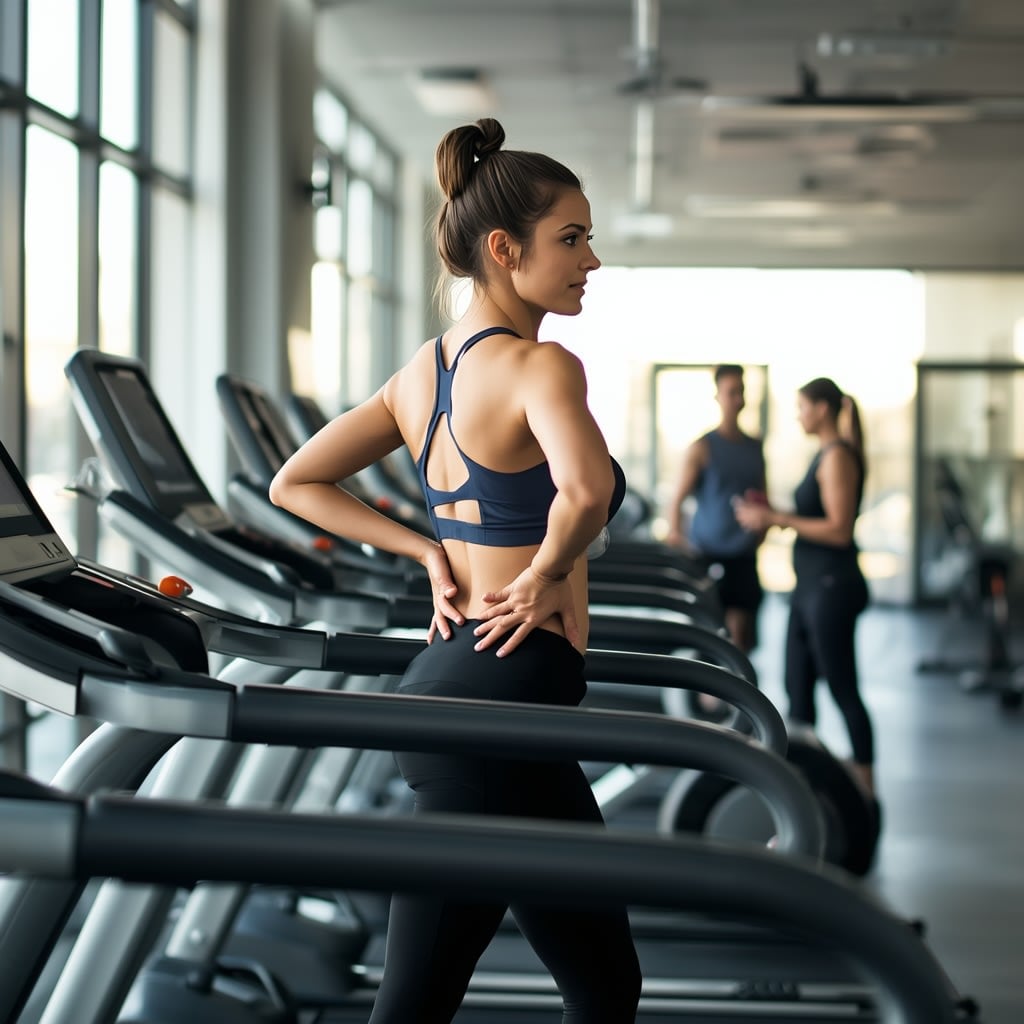
Second, engaging the correct muscles during your workout is crucial for injury prevention. On day two, I noticed lower back soreness that made sitting or relaxing uncomfortable. This happened because I wasn’t properly activating my glutes and core — muscles that are essential for supporting your back and maintaining good form. Once I resumed holding on to the handrails, some strain eased off, but the lesson remained clear: focus on clenching your glutes and bracing your core throughout. Think of this as consciously switching on these muscles rather than letting them check out during the climb.
Third, posture plays a tremendous role in how effective and safe your Stairmaster workout is. Midway through day three, I caught myself leaning awkwardly to one side and sticking my butt out too far — common signs of fatigue and improper alignment. Maintaining a neutral spine, tucking your tailbone, and keeping shoulders aligned all help prevent injury and improve workout quality. Imagine pulling an invisible string from the top of your head to stand tall; this visualization can make a big difference in your form.
Fourth, your heart rate might not tell the full story of workout intensity on this machine. I kept an eye on my heart throughout, expecting it to spike dramatically as I struggled during workouts. Surprisingly, my heart rate during these climbing sessions stayed close to what I see during running, even though the Stairmaster felt far tougher. The explanation is that cardiovascular effort is similar, but localized muscle fatigue builds up faster due to the strength needed to push your body upwards against gravity.
Lastly, this workout wasn’t the stress relief I expected. Typically, exercise helps me clear my mind, but with the added coordination and balance demands, especially when going hands-free, I found it hard to switch off mentally. Over time, this might improve as technique becomes more natural, but for now, Stairmaster sessions felt more physically taxing than mentally relaxing. It’s a reminder that not every exercise is a perfect outlet for stress, though feeling sweaty and accomplished is guaranteed.
Offerte ADESSO... Non Perdere le Nostre Migliori Offerte su Fitness!
Approfitta di Queste Offerte su Core Strengthening Exercise Bands Prima che Finiscano!
🖤 Acquistare tramite i nostri link aiuta a supportare la nostra app senza costi aggiuntivi per te 🖤
Rimani Aggiornato con Insights sulla Salute
Ricevi gli ultimi consigli sulla salute delle donne, consigli sul benessere e approfondimenti di esperti direttamente nella tua casella di posta.
Rispettiamo la tua privacy. Disiscriviti in qualsiasi momento.

Making the Most of the 25-7-2 Stairmaster Workout: Tips and Takeaways
If you’re thinking about trying the 25-7-2 Stairmaster workout, here are a few pointers to help you get started safely and effectively. First, don’t rush into the hands-free approach; use the handrails at first to build confidence and balance. Once you feel steady, you might experiment with occasionally letting go for short periods — but always prioritize safety.
Next, focus on activating your core and glutes throughout the workout. A simple way is to mentally ‘clench’ those muscles gently as you climb, which helps maintain posture and takes pressure off your lower back. Pairing this with proper alignment, such as tucking your tailbone and keeping your shoulders relaxed, will make your sessions both safer and more productive.
Remember, the Stairmaster is a fantastic way to combine cardio and strength in one go. But to avoid muscle imbalances, complement this cardio with other forms of exercise that target your posterior muscles in different planes of movement.
Finally, listen to your body. While challenging yourself is important, rest days are equally crucial to prevent burnout and injury. If you’re new to the machine or have any health concerns, consider consulting with a fitness professional for personalized guidance.
Offerte ADESSO... Non Perdere le Nostre Migliori Offerte su Fitness!
Approfitta di Queste Offerte su Low Impact Cardio Workout Mat Prima che Finiscano!
🖤 Acquistare tramite i nostri link aiuta a supportare la nostra app senza costi aggiuntivi per te 🖤
Commenti
Nessun commento ancora. Sii il primo a condividere i tuoi pensieri!
Articoli selezionati solo per te
Scopri altri articoli in questa categoria che potrebbero interessarti

Offerte ADESSO... Non Perdere le Nostre Migliori Offerte!
🖤 Acquistare tramite i nostri link aiuta a supportare la nostra app senza costi aggiuntivi per te 🖤